1. Why I Went
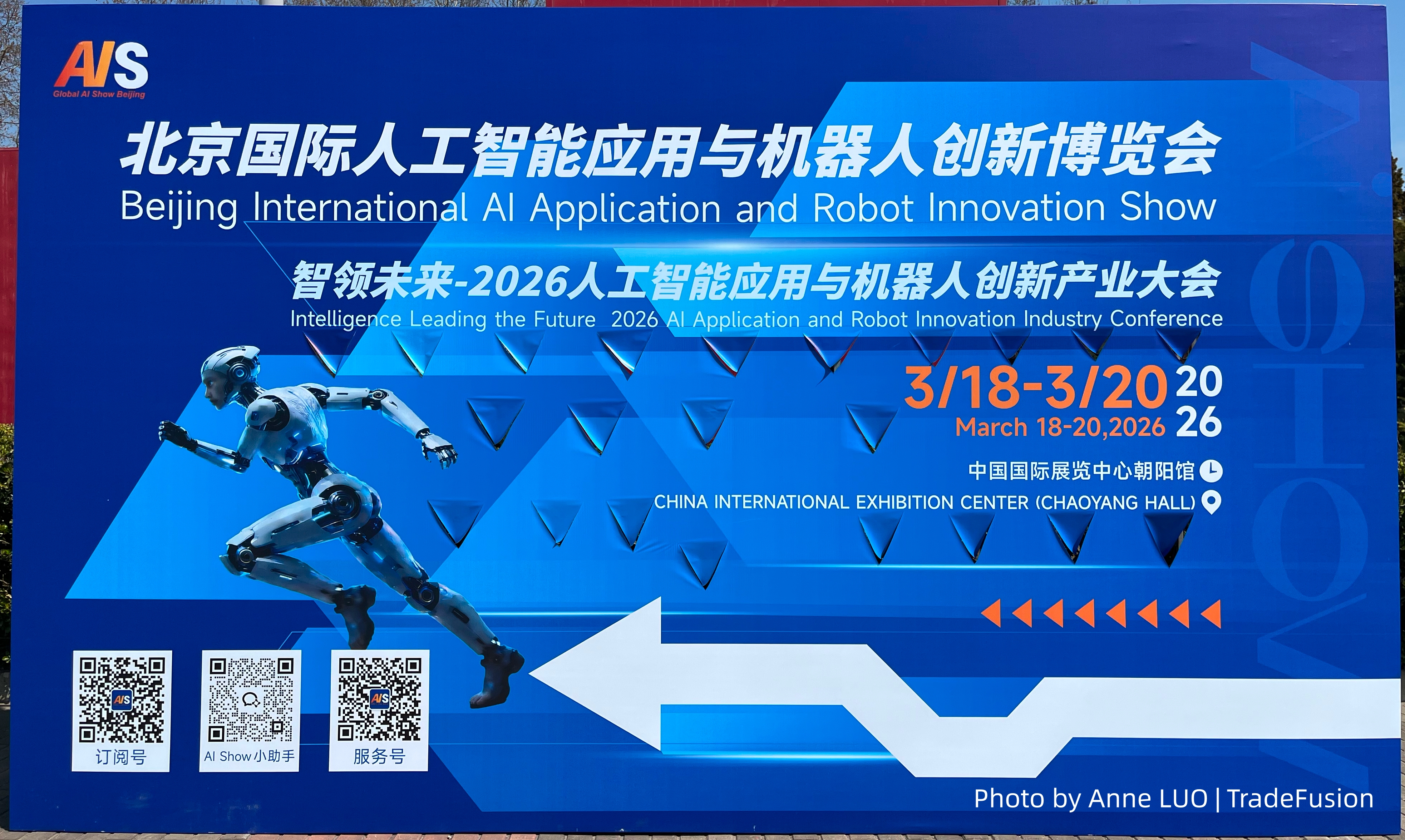
Last week I spent one and a half day at AI Show Beijing 2026 — based in Beijing and with a global reach, comprehensively showcases the latest scientific research achievements and cutting-edge technological applications in the AI industry, from embodied intelligent foundation models to industry application solutions. It serves as a high-end platform for building industrial strength, promoting international cooperation, and driving technological innovation and application implementation. With over 450 exhibitors and 50,000 visitors, the event brought together everyone from established robotics companies (like Unitree, KEENON Robotics) to emerging players in AI software and hardware.
I went there with one goal: to see, with my own eyes, what's actually being deployed in the market — not just what's being hyped.
Here's what I found.
2. Three Form Factors: What Robots Look Like
Walking the floor, I noticed that commercial robotics today falls into three clear form factors:
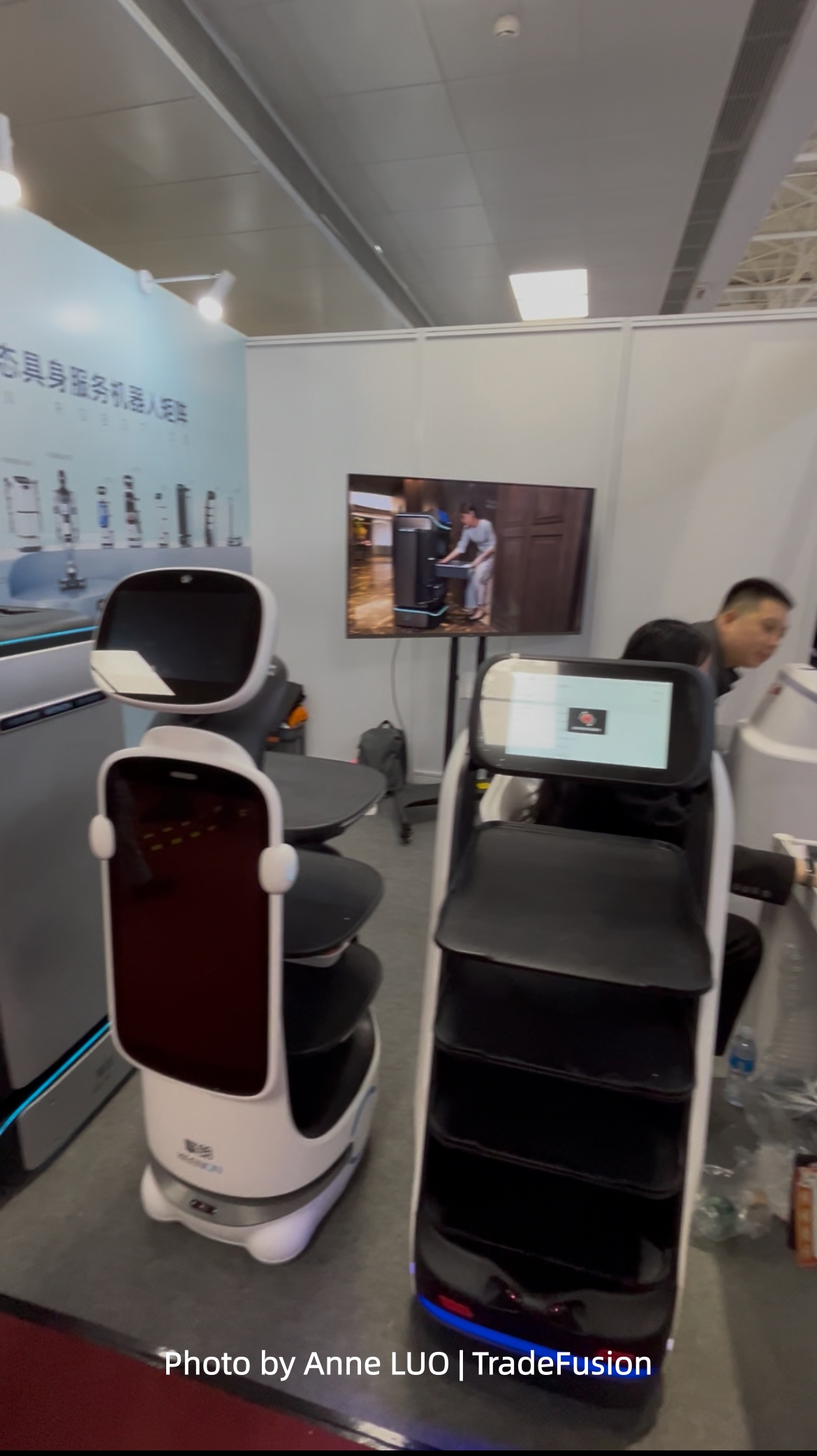
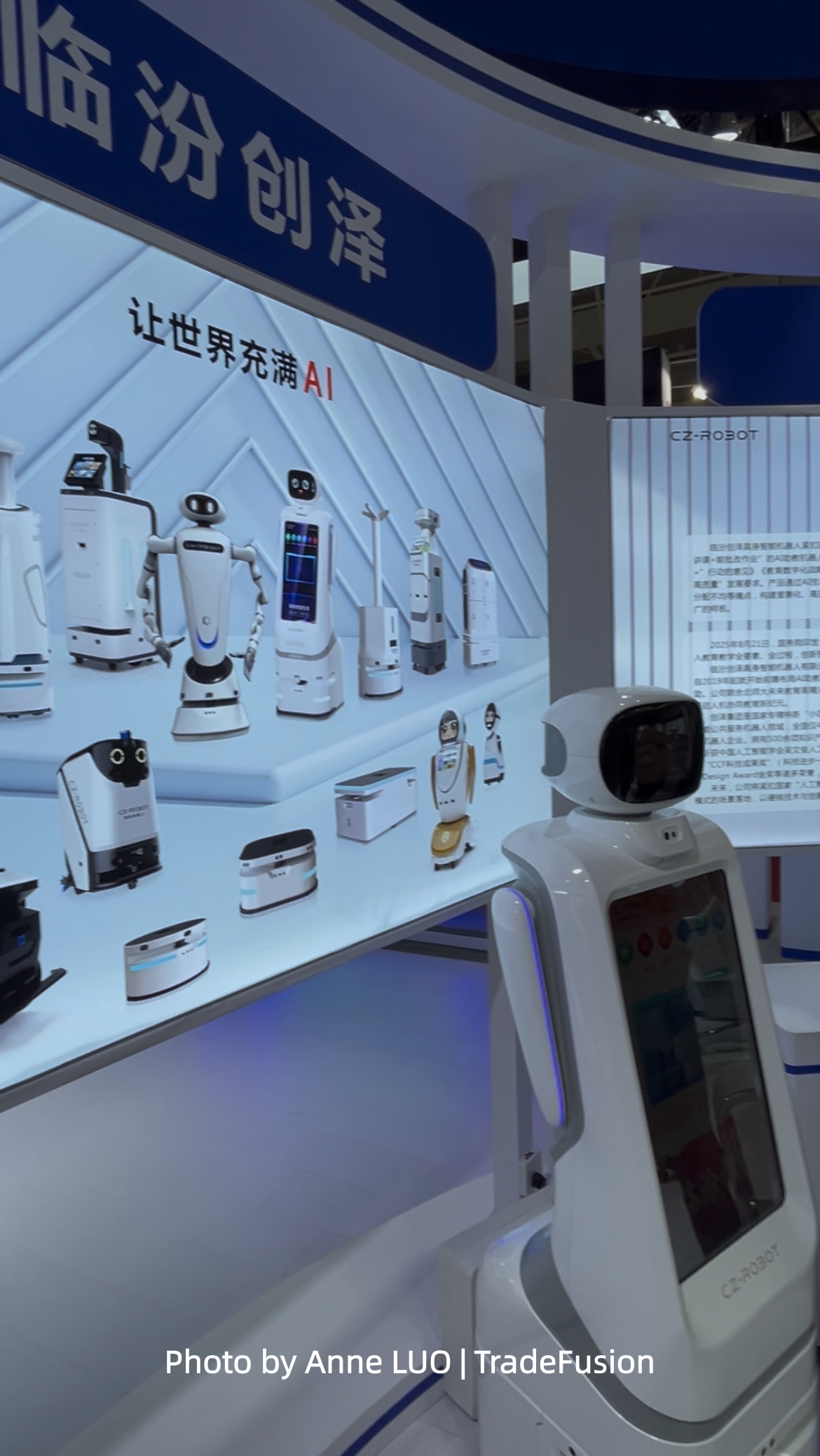
- Wheeled robots are everywhere. They've been in commercial use for years — stable, reliable, and cost-effective. Most service robots (delivery, cleaning, guiding) are wheeled.
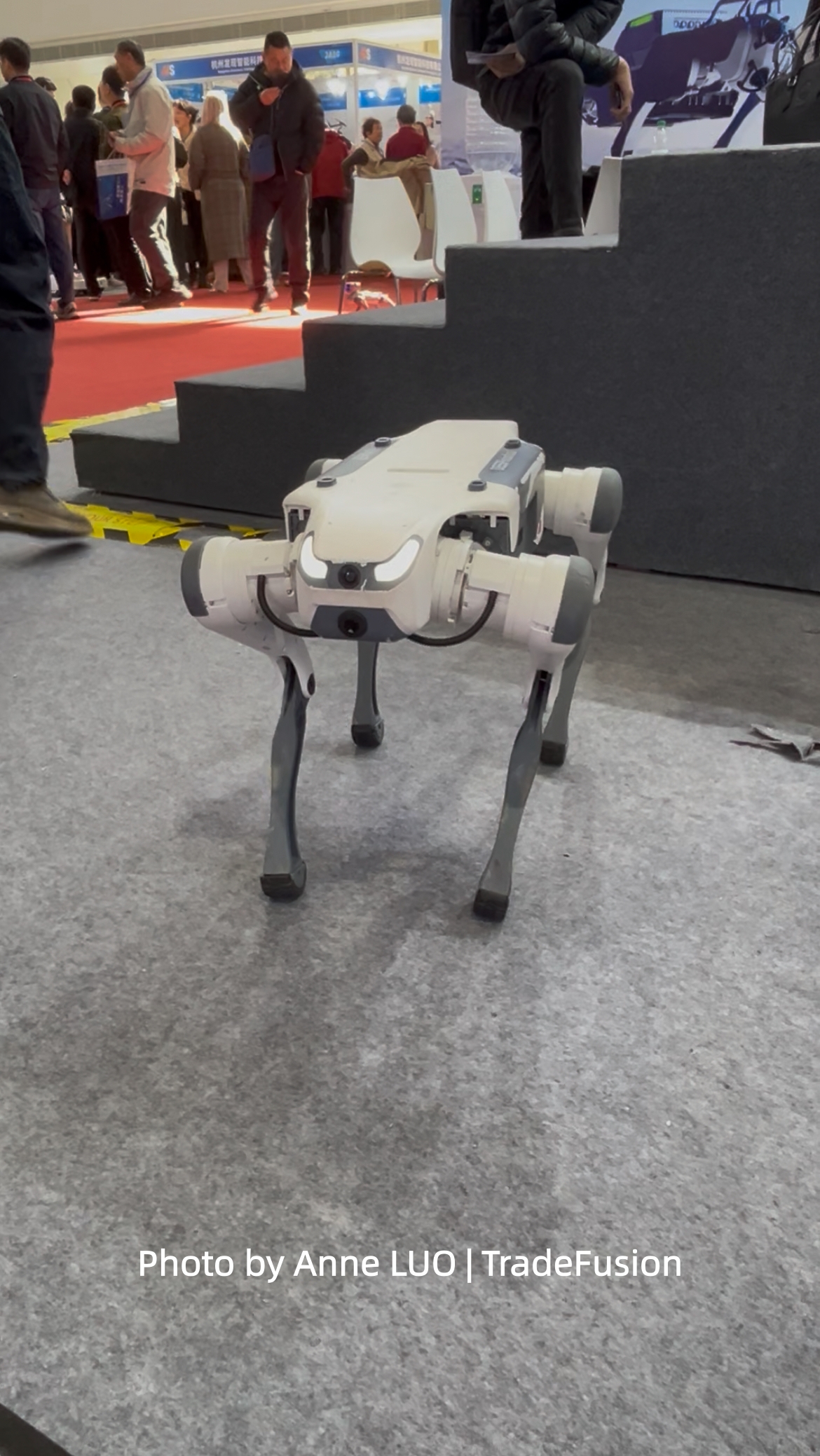
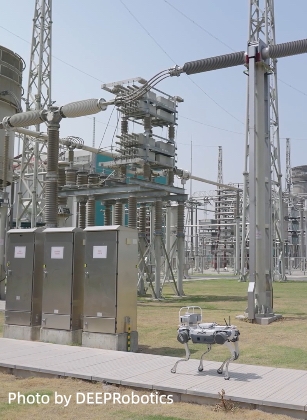
- Quadruped robots (robot dogs) are less common in commercial settings, but they're gaining traction in industrial inspection and security.
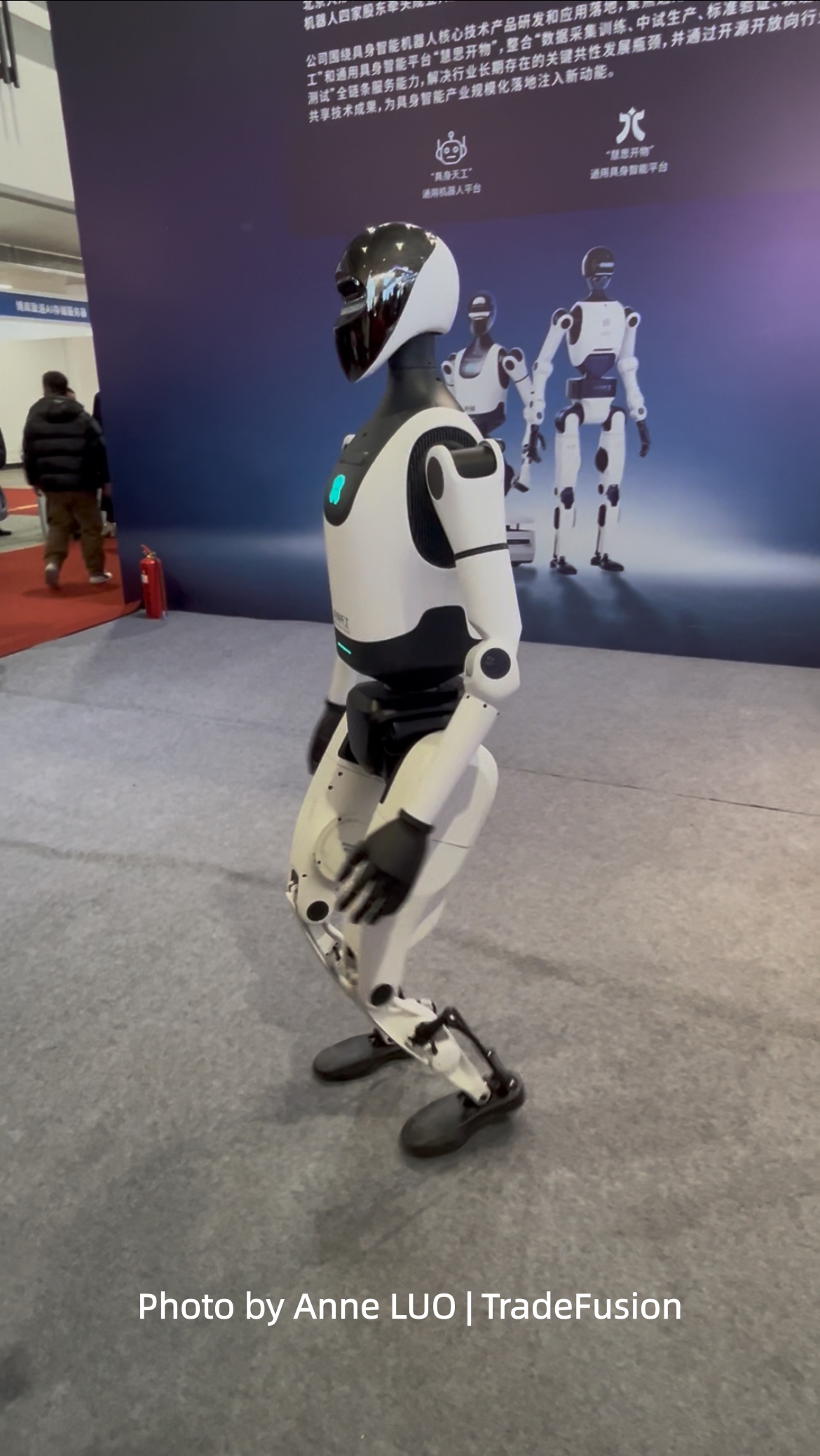
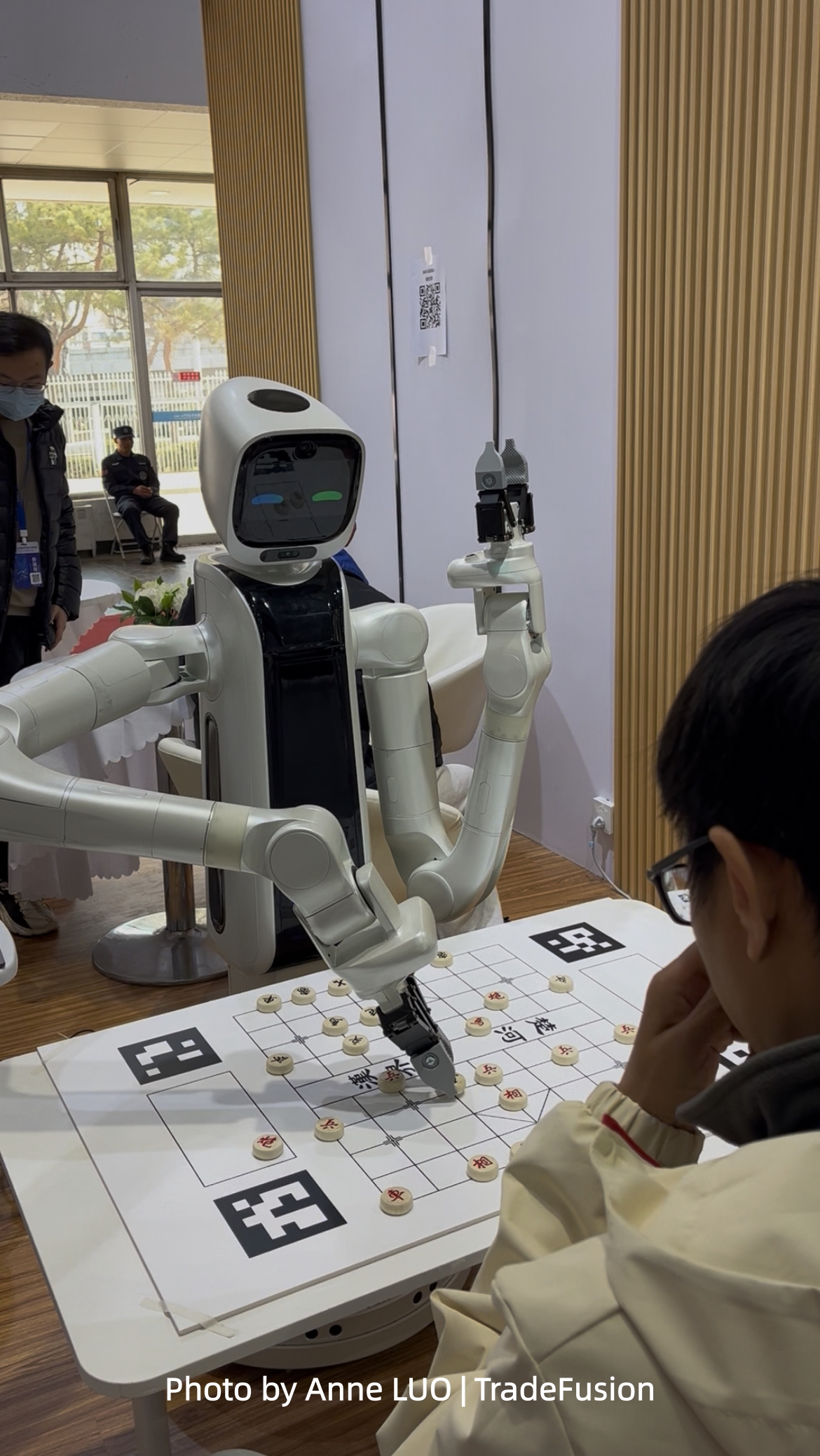
- Humanoid robots are the crowd-pleasers. Since Unitree's humanoid appeared on China's Spring Festival Gala in early 2025, public interest has exploded. But commercially? As one industry executive with over a decade of experience put it to me: "Humanoids are impressive to watch, but for commercial deployment, wheeled robots are still the workhorses."
If you want to see some of the most interesting ones I came across, check out the video at the end of this article.
3. Three Application Scenarios: What Robots Do
Beyond form factors, I also tracked where these robots are actually being used. Three categories stood out:
- Commercial: reception, tour guide, food delivery, hospital disinfection, AI teaching assistants, retail analytics.
- Industrial: inspection (power lines, tunnels, factories), firefighting, warehouse logistics.
- Household: voice companions, simple chores (picking up trash, gathering laundry), and early-stage elderly care.
The common thread? Almost all are task-specific — designed to do one or two things reliably, rather than being a universal "everything robot."
4. Deep Dive: Wheeled vs. Humanoid — A Reality Check
One of the most insightful conversations I had was with a seasoned executive at a robotics company. She broke down the real difference between wheeled and humanoid robots:
"Wheeled robots are about task completion — getting a job done efficiently. They've been in large‑scale commercial use for years."
She gave me a concrete example: her company has deployed their hospital guide robot from the 1st to the 13th floor at Beijing 301 Hospital. That's what scalable deployment looks like in a real‑world setting.
"Humanoids, on the other hand, are about adaptability. They're designed to work in environments built for humans — stairs, narrow corridors, tools designed for human hands. But that adaptability comes with complexity, cost, and reliability challenges."
Her point stuck with me. For European channel partners considering entering this space, the question isn't "which is better?" — it's "which is ready for your market, right now?"
5. Trend Watch: Data Privacy as the New Export Barrier
Another theme that came up repeatedly: data privacy. With robots collecting more data — from camera feeds to usage patterns — how that data is handled is becoming a critical factor for overseas markets.
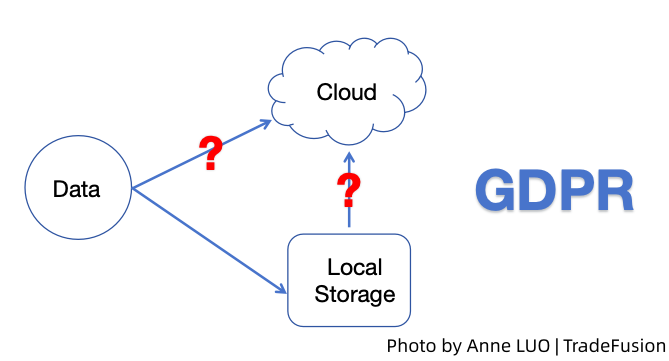
One robotics engineer I spoke with put it this way: "For robots to work in markets like Europe, data needs to be processed locally as much as possible. Only anonymized data should go to the cloud, and only when necessary for model improvement or maintenance."
This matches what I'm seeing in the industry. A 2025 data security white paper from a major robotics company confirms that user data generated in the EU is stored in cloud facilities located within the European Union, with data encrypted at rest using AES-256 and in transit using TLS 1.2. Meanwhile, legal experts note that under GDPR, truly anonymized data falls outside the scope of data protection laws — but the act of anonymizing it is still regulated.
For Chinese robotics companies looking to export, this is where they need to invest: local processing, anonymization, and strict access controls. Without these, they risk being locked out of the most privacy-conscious markets.
6. Beyond the Show: What "Raising Lobsters" Teaches Us About Privacy
One topic that unexpectedly surfaced across multiple conversations was the recent "OpenClaw" (or "raising lobsters" trend) — the idea of AI agents that can perform tasks across different apps and services. On the surface, it's about automation. But underneath, it's about permissions and privacy.
If a home robot needs to access your calendar, your shopping list, your home security system — where does that data live? Who controls it? How do you revoke access?
These questions feel distant when you're talking about a delivery robot in a restaurant. But as robots move into homes and offices, they're exactly the questions that will determine whether a product succeeds or fails in privacy-sensitive markets like Europe.
7. What This Means for You — and How I Can Help
I came away from AI Show with one clear takeaway: robots are moving from "what's possible" to "what's deployable." The gap between lab and market is narrowing.
For European distributors, integrators, and brand owners looking to source from China, this is an exciting time — but also a complex one. Finding the right supplier, verifying claims, and navigating cross-border communication takes time and expertise.
That's exactly what I do. I've developed a few mental filters that help me assess whether a potential partner is truly ready to enter this space. If you're actively exploring robotics sourcing from China and want to compare notes, let's talk.
📹 Video: My Time at AI Show Beijing 2026
Below is a short video walking through some of the robots I saw — from cleaning to guiding, from education to retail analytics. The video was originally posted on LinkedIn (where compression affects quality), so here's the full-resolution version.